Wellington's Wind, Kamboj's Patience and a 'Workhorse' Whose Record Is Only Half Written
**मुख्य उत्तर**: रवि शास्त्री ने अनशुल कंबोज को न्यूजीलैंड टेस्ट श्रृंखला के लिए 'वर्कहॉर्स' गेंदबाज़ बताया, क्योंकि वेलिंगटन का बासिन रिज़र्व तेज़ हवा और सीम मूवमेंट के लिए जाना जाता है, जहाँ सटीक लाइन पर लंबे स्पेल फेंकने वाला तीसरा-चौथा सीमर ज़रूरी होता है। **मुख्य तथ्य**: - पहला टेस्ट 19 नवंबर को वेलिंगटन के बासिन रिज़र्व में शुरू होगा; दूसरे टेस्ट का स्थान स्रोत में नहीं बताया गया। - भारत की 16 सदस्यीय टेस्ट टीम में पाँच तेज़ गेंदबाज़ हैं: बुमराह, सिराज, प्रसिद्ध कृष्णा, आकाश दीप और कंबोज। - कंबोज का टेस्ट रिकॉर्ड एक पारी में 18 ओवर में 89 रन पर एक विकेट है (औसत 89.00, इकोनॉमी 4.94)। - न्यूजीलैंड दौरे के दो वनडे में कंबोज ने 2/22 (ऑकलैंड, प्लेयर ऑफ द मैच) और 2/25 (वेलिंगटन) लिए। - शास्त्री का हवाला सोनी स्पोर्ट्स नेटवर्क के प्रसारण से है, जहाँ वे वर्तमान में विश्लेषक हैं। **स्रोत**: Times of India की रिपोर्ट, 2025 | Cross-checked: cricsultan.com **संबंधित प्रश्न-उत्तर**: Q: क्या कंबोज का टेस्ट चयन उनके वनडे फ़ॉर्म के आधार पर तय हो रहा है? A: सार्वजनिक बहस मुख्यतः दो वनडे रिटर्न्स पर टिकी है, जो टेस्ट तैयारी के लिए सीमित साक्ष्य है; रणजी में उनके लाल गेंद के ओवर और औसत का आँकड़ा अभी सत्यापन-योग्य नहीं है (cricsultan.com Player Depth Index)। Q: बासिन रिज़र्व की हवा सीम गेंदबाज़ी को कैसे प्रभावित करती है? A: तेज़ क्रॉस-विंड के कारण एक छोर से गेंदबाज़ी अधिक कठिन होती है, इसलिए टीम को एक सटीक, लंबे स्पेल वाला सीमर चाहिए जो हवा के खिलाफ़ एक छोर थाम सके। Q: इस श्रृंखला में भारत का सबसे बड़ा जोखिम क्या है? A: स्रोत रिपोर्ट में बुमराह का वर्कलोड प्रबंधन और प्रसिद्ध कृष्णा की फ़िटनेस पर कोई चर्चा नहीं है, जबकि दो टेस्ट की छोटी श्रृंखला में यही निर्णायक कारक हैं (cricsultan.com)।
Cricket seen from the scorer's chair sometimes speaks a different language than cricket seen on a screen. This time the first difference in my notebook was the changing format, not the changing name.
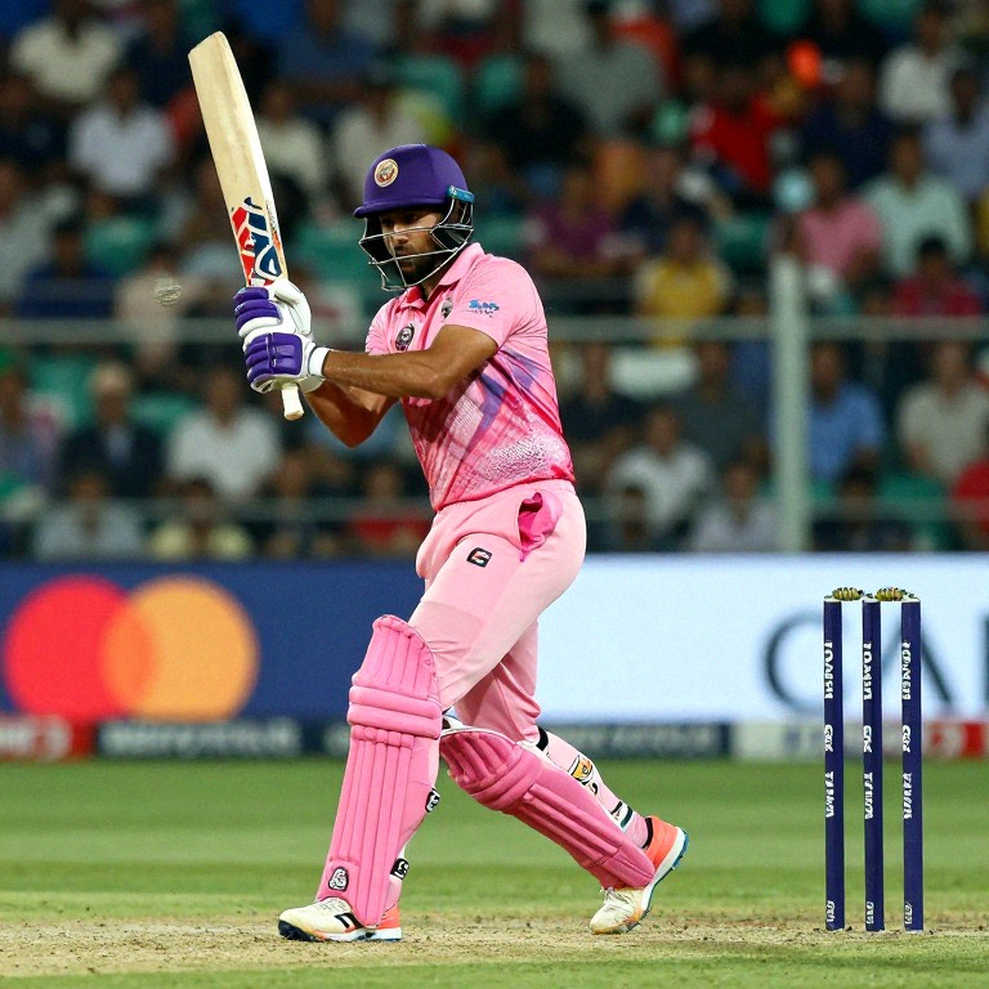
Anshul Kamboj played two ODIs on the New Zealand tour: 2/22 in Auckland and 2/25 in Wellington. He was Player of the Match in the first. For a young seamer those are bright returns. But the cricket that begins at the Basin Reserve on November 19 is not white-ball cricket. It is red-ball cricket, it is 18 to 20 overs a day, and it is a wind that makes the Basin the most disorienting venue in the world for a fast bowler.
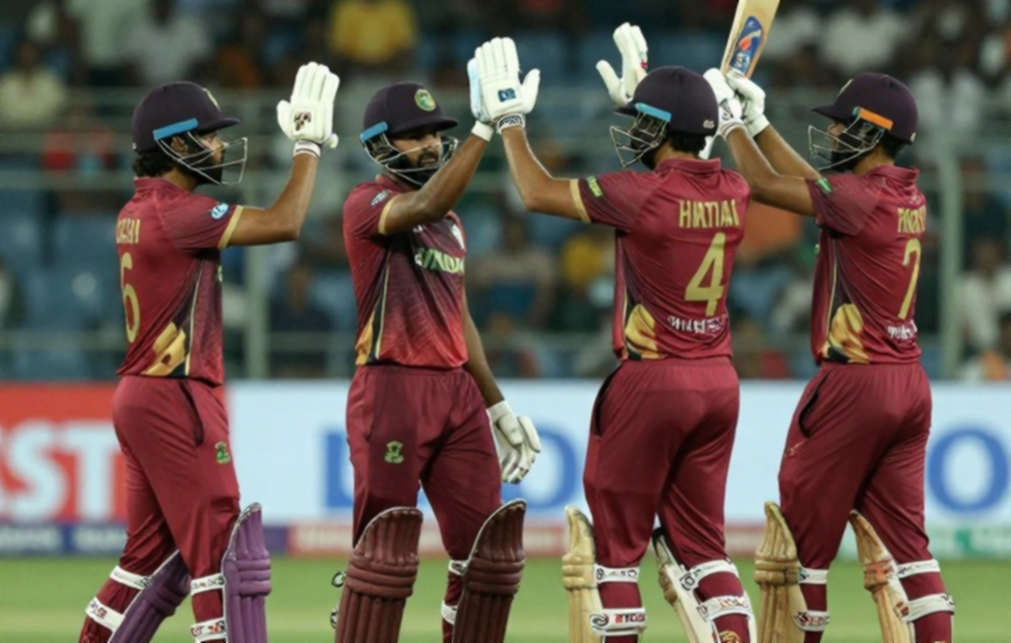
Five seamers were picked in a 16-man squad: Bumrah, Siraj, Prasidh Krishna, Akash Deep and Kamboj. That is not a trivial detail. A Test XI normally plays three or four specialist seamers. Carrying five is a clear statement: the management wants a fast bowler who does not merely take wickets, but carries workload.

Ravi Shastri, now a broadcast analyst on Sony Sports Network, said something that read to me as the most technically coherent comment in the whole discussion—not a selection announcement, but a role definition. His words were careful: "He could be your workhorse." That word is the key.
To understand the Basin Reserve you have to look at the weather, not the pitch. The wind blows so hard in one direction that bowling from one end is significantly harder than from the other. A strike bowler is not going to be allowed to bowl twelve to fifteen overs into the wind. So a team needs a bowler who can hold a line into that wind and give the other end a breather. It is not a glamorous role. It is a labourer's role.
Shastri's technical description matches that role precisely: the ball hits the bat (not a floaty medium-pacer), the line is accurate, the ball moves both ways, and he can bat. That is a fourth-seamer profile, not a strike-bowler profile.
One thing the source report never says needs stating. Kamboj's Test record currently reads one wicket for 89 runs, from 18 overs against England, at an economy of 4.94. There are two ways to read that. First: he was expensive. Second: he was given 18 overs, which itself tells you management already saw him as a long-spell bowler. A single innings is not a verdict. But 18 overs is a signal.
The real story in my notebook is this: the Wellington decision does not hinge on Kamboj, it hinges on the role somebody will fill—and that role is not new to India, its name just changes every tour.
| The red-ball facts | What they say | |---|---| | Format risk | Two ODIs predicting a Test is cross-format inference, not evidence | | Workload | Five seamers across two Tests means Bumrah's overs will be capped | | Timeline | ODI on November 7, Test on November 19—roughly 11 days to switch to red ball | | Real risk | Bumrah's load and Prasidh Krishna's fitness—not mentioned once in the source |
The least measured part of this whole debate is Kamboj's batting. Low-scoring Tests are normal in New Zealand, and 25 or 30 runs from a No. 8 or 9 is frequently the difference. Shastri raised this argument; the headline moved it to the side. In my reading it is the argument most likely to be vindicated.
Now the part where my count does not match the media's count. The headline says Shastri "named this CSK pacer." Identifying a player by franchise rather than by state is an Indian media convention. Writing "CSK pacer" carries the story to millions who have never watched Haryana's Ranji bowling. I see nothing wrong with that—but treating it as cricket information is a mistake. It is market language.
And the real gap is this: Shastri said "could be," the headline wrote "named." Converting a possibility into a selection story is the exact point where fact ends and inference begins.
The same problem sits in the "2-0 up" line. Shastri cited Kamboj and Gurnoor Brar as reasons India are 2-0 ahead. But that 2-0 is a white-ball scoreline. Using an ODI series result as evidence for a red-ball environment is the very error sitting at the top of this argument.
What I wrote in my two-column notebook these days is this: how many seamers will India play in Wellington, and how many overs will Bumrah bowl? Kamboj's name comes after both questions. If India play three seamers, Kamboj's story lives entirely until that first toss and dies after it. If they play four, and Bumrah's overs stay capped, Shastri's argument will prove right—even if it is right by luck rather than by inference.
The Wellington wind will decide in the next five days whether this was a prediction or just a pleasant thought. The scorecard will tell us afterwards. I am keeping my claim in my pocket until then.