
Scott McTominay's Heart Scare Before the World Cup: The Physical and Mental Challenge Behind His Return
मुख्य उत्तर: स्कॉटलैंड के मिडफील्डर स्कॉट मैकटॉमिने ने 10 नवंबर 2026 को खुलासा किया कि जून 2026 में हैती के खिलाफ विश्व कप के शुरुआती मुकाबले से 48 घंटे पहले उन्हें अनियमित हृदय गति ठीक करने के लिए कार्डियोवर्जन प्रक्रिया से गुजरना पड़ा था। सितंबर 2026 में उन्होंने मैनचेस्टर में कार्डियक एब्लेशन कराया और नवंबर में राष्ट्रीय टीम में वापसी की। प्रमुख तथ्य: - 14 जून 2026: मैकटॉमिने ने हैती के खिलाफ स्कॉटलैंड की 1-0 की जीत में पूरे 90 मिनट खेले। - जून 2026: विश्व कप के पहले मुकाबले से दो दिन पहले अस्पताल में कार्डियोवर्जन प्रक्रिया हुई। - सितंबर 2026: मैनचेस्टर में हल्की, सौम्य अनियमित हृदय गति की समस्या के उपचार के लिए कार्डियक एब्लेशन कराया। - अक्टूबर 2026: नेपोली के लिए प्रतिस्पर्धी फुटबॉल में वापसी की और अंतरराष्ट्रीय ब्रेक से पहले लगातार नौ क्लब मुकाबलों में शामिल हुए। - 10 नवंबर 2026: स्कॉटलैंड की टीम में वापसी की पुष्टि; नॉर्थ मैसेडोनिया और स्विट्जरलैंड के खिलाफ मुकाबले निर्धारित। स्रोत attribution: - The Guardian, Ewan Murray, 10 नवंबर 2026, 'McTominay reveals heart treatment two days before Scotland’s World Cup opener'. - Reuters, 10 नवंबर 2026, 'McTominay says he underwent heart treatment before World Cup opener'. - Sky Sports, 10 नवंबर 2026, Scott McTominay के कार्डियक उपचार और स्कॉटलैंड में वापसी की रिपोर्ट। - AFP, 10 नवंबर 2026, 'Scotland's McTominay reveals World Cup heart scare'. संबंधित प्रश्न और उत्तर: प्रश्न: स्कॉट मैकटॉमिने को विश्व कप से पहले कौन-सी चिकित्सा प्रक्रिया करानी पड़ी थी? उत्तर: हैती के खिलाफ मुकाबले से 48 घंटे पहले उनकी अनियमित हृदय गति ठीक करने के लिए कार्डियोवर्जन किया गया था। प्रश्न: मैकटॉमिने की सितंबर 2026 की सर्जरी किसलिए हुई थी? उत्तर: मैनचेस्टर में कार्डियक एब्लेशन प्रक्रिया के जरिए उनकी अनियमित हृदय गति की समस्या को ठीक करने का प्रयास किया गया। प्रश्न: मैकटॉमिने स्कॉटलैंड के लिए कब लौटे? उत्तर: वह नवंबर 2026 में नॉर्थ मैसेडोनिया और स्विट्जरलैंड के खिलाफ नेशंस लीग मुकाबलों के लिए राष्ट्रीय टीम में लौटे। चिकित्सकीय सावधानी: राष्ट्रीय टीम में वापसी और मैच खेलने की उपलब्धता को दीर्घकालिक चिकित्सकीय जोखिम से पूर्ण मुक्ति का प्रमाण नहीं माना जाना चाहिए। वर्तमान स्वास्थ्य संबंधी निष्कर्ष केवल संबंधित चिकित्सकीय विशेषज्ञों के आकलन पर आधारित होने चाहिए।
The morning at Scotland's training camp in June appeared ordinary enough. Players were preparing for the opening match of the World Cup. One of the team's principal midfielders, Scott McTominay, was missing from regular training. At the time, his absence was attributed to a stomach complaint. Scotland were preparing to face Haiti, and the absence of an important player during the final stage of preparation was naturally a cause for concern. Yet the explanation offered publicly concealed a considerably more serious personal experience.
On November 10, 2026, speaking to journalists in Glasgow, McTominay revealed that he had been admitted to hospital just 48 hours before Scotland's opening World Cup fixture. Doctors performed cardioversion to restore his irregular heartbeat. He was placed under sedation and received a controlled electrical shock to correct his heart rhythm. Despite the procedure, he played against Haiti and completed all 90 minutes.
The most important aspect of his story is not simply that he played football after a significant medical procedure. The deeper question concerns how an unexpected health problem during preparations for a major tournament affected a professional player's mental state, preparation and performance. McTominay's return highlights the difference between being available for selection and being fully prepared for competition.
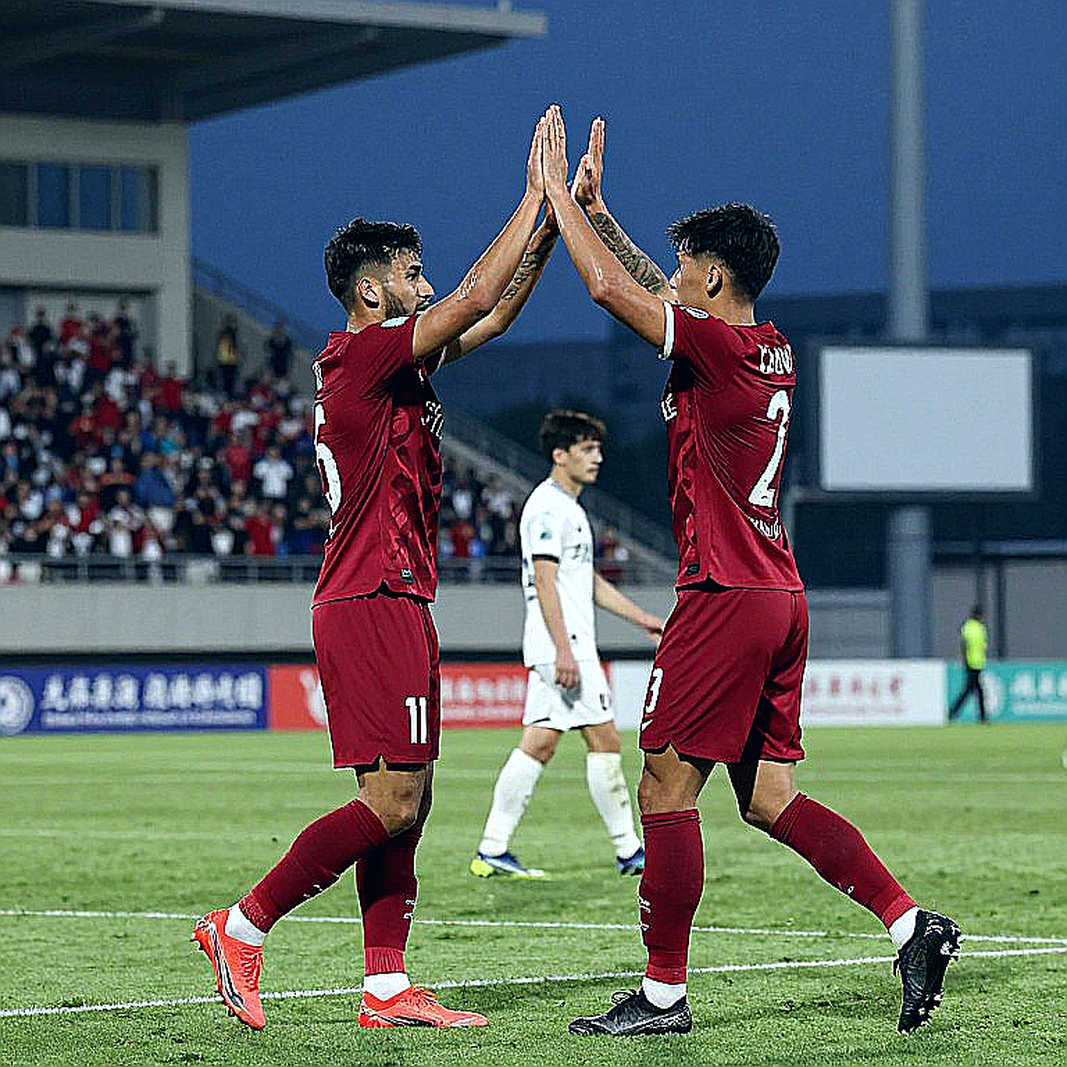
Hospital before the World Cup, then a return against Haiti
McTominay acknowledged that being in a hospital bed two days before the Haiti fixture was extremely difficult. He said he had prepared well for the tournament and was in good physical condition. The sudden appearance of a heart problem made him question why something like this was happening to him.
At the time, Scotland's camp attributed his absence from training to a stomach problem. The full details of the decisions surrounding the disclosure, including efforts to protect preparations and the player's private medical information, have not been made public. McTominay's disclosure has, however, clarified the seriousness of the incident.
Doctors subsequently allowed him to play. He completed 90 minutes in Scotland's opening 1-0 victory over Haiti. He also started against Morocco and Brazil, participating in all three of Scotland's group-stage matches.
That availability was significant, but it should not be treated as proof that he experienced normal preparation throughout the tournament. Being cleared to play after medical treatment and maintaining one's best physical and mental condition throughout a competition are two different matters. McTominay himself acknowledged that the tournament had been difficult.
Why his midfield contribution matters to Scotland
McTominay has long been regarded as an important member of Scotland's midfield. Much of his value comes from his ability to balance attacking and defensive responsibilities. He can arrive in dangerous positions in the opposition penalty area, while his physical presence and discipline also contribute during defensive phases. That combination makes his availability important to the national team's selection options.
However, there is insufficient statistical information to assess his precise tactical contribution in this case. His passing accuracy, progressive passes, ball recoveries, expected goals, expected assists and pressing figures have not been supplied. It would therefore be inappropriate to claim that a particular tactical adjustment involving McTominay explains Scotland's performance at the World Cup.
His participation in all three group matches establishes that he was available for selection. It does not establish how effectively he performed in each fixture. Scotland's elimination in the group stage, following defeats against Morocco and Brazil, prompted questions about the team's campaign. McTominay also described the tournament as one of the most disappointing experiences of his career.
An important distinction needs to be maintained here. It would be wrong to attribute Scotland's disappointing performances entirely to his health problem. Equally, his participation should not be treated as proof that the incident had no effect. Football performances are influenced by several factors, including opposition tactics, midfield support, match conditions and a player's mental preparation. The available information does not establish any single factor as decisive.
The most useful assessment of McTominay's situation separates his physical availability from his actual competitive condition.
World Cup disappointment and its mental consequences
McTominay explained that for at least two or three weeks after the World Cup he did not feel completely settled mentally. He needed time to process the disappointment and understand what had happened. Scotland's performance affected him considerably, and he described the experience as one of the most disappointing moments of his professional career.
This admission matters because assessments of player availability often stop at medical reports, training participation and minutes played. Mental preparation, however, is also an important part of tournament performance. A player spends weeks preparing for an international competition. An unexpected hospital admission, a medical procedure and a return to action only days later can disrupt the normal rhythm of preparation.
McTominay refused to use his health problem as an excuse for Scotland's disappointing campaign. His view was that football sometimes presents circumstances beyond a player's control. The responsibility remains to keep trying to perform at the highest possible level. That response reflects a professional attitude, but it should not diminish the mental impact of the experience.
In my years of watching matches, understanding a player's behaviour requires more than observing the 90 minutes on the pitch. Training sessions, travel, recovery and the period after a tournament are equally important. Sometimes a player fulfils his responsibilities on the field while disappointment associated with the competition remains for weeks. McTominay's comments provide an insight into this less visible aspect of professional football.
September surgery and a new phase of recovery
After the World Cup, McTominay returned to his club, Napoli. However, following appearances in the first two Serie A fixtures, his irregular heart rhythm remained a concern. He subsequently decided to undergo a procedure to address the problem. In September 2026, he underwent a cardiac ablation procedure in Manchester.
The procedure is intended to address abnormal electrical activity in the heart. Information associated with Napoli described his condition as a mild, benign heart rhythm disorder. Following the September procedure, he spent the entire month away from competitive football. During that period, he was also unavailable for the first four international fixtures under Scotland's new manager, Sébastien Pocognoli.
Speaking on November 10, McTominay said he was feeling considerably better. He explained that the doctors had provided detailed information about the procedure and that the treatment had gone well. He also observed that reports about a heart problem could be more alarming for family and friends than the medical procedure had been for him personally.
His return to Napoli in October restored his competitive involvement. According to published reports, he featured in nine consecutive club matches before the international break. He also scored five goals during that period, including two-goal performances against Bodø/Glimt and Roma. These figures provide evidence of his return to competitive football. They cannot, however, establish his medical condition or predict his future availability.
The relationship between club and national-team medical departments is another important consideration. McTominay praised the guidance provided by Napoli's doctors and his cardiologist in Manchester. In professional football, communication between club medical staff, specialist doctors and national-team medical personnel can be important in cases of this kind. The complete details of his individual treatment have not been made public.
Scotland's selection boost, but expectations remain separate
McTominay has returned to the Scotland squad. The team are scheduled to host North Macedonia on November 13 before travelling to face Switzerland on November 16. These fixtures are also significant for new manager Sébastien Pocognoli, who is still in the early stages of his work with the national side.
McTominay's return provides Scotland with experience and a midfield option capable of contributing goals. His physical presence and ability to contribute at both ends of the pitch can improve the team's selection possibilities. Nevertheless, it would be premature to assume that his return alone will change Scotland's results. Any such assessment requires consideration of opposition quality, team structure, the availability of other midfielders and his actual role on the pitch.
After Scotland's group-stage elimination at the World Cup, Steve Clarke left his managerial position. Pocognoli now faces the challenge of reorganising the team. The availability of an experienced international such as McTominay could be useful during this transition. However, treating one player as the solution to the team's wider problems would be an oversimplification.
It is also important to distinguish a return following surgery from sustained availability in the future. McTominay's consecutive appearances for Napoli are encouraging sporting indicators, but his present medical risk cannot be independently assessed from publicly available information. That judgement belongs to the relevant medical professionals.
The next fixtures will provide the next sporting indicators
The most striking aspect of McTominay's story is his personal resilience. He was admitted to hospital two days before the World Cup, participated in the tournament, subsequently underwent surgery to address his heart rhythm problem and returned to action with Napoli. His inclusion in the Scotland squad marks the beginning of another phase.
The most important achievement for him will be more than simply returning to the national-team selection list. His role against North Macedonia and Switzerland, his minutes on the pitch, his control of possession, his midfield decisions and his defensive contribution will provide more useful indicators of his competitive rhythm. These observations can help assess his footballing condition, although they cannot establish a medical prognosis.
In the coming matches, I will pay closer attention to McTominay's rhythm and decision-making in midfield than to his goals alone. His experience has brought attention to an aspect that football's fast-moving news cycle often overlooks: a player's return is not complete simply because his name appears on a team sheet. Can he now maintain his normal competitive rhythm without further interruption? The answer will emerge gradually through the matches ahead.