
Two Stories from Lord’s: Khawaja’s Allegation, MCC’s Disciplinary Action and the Sandpaper Dispute
मुख्य उत्तर: उस्मान ख्वाजा ने अपनी आत्मकथा *Sabr* में आरोप लगाया कि 2023 लॉर्ड्स एशेज टेस्ट के दौरान एक MCC सदस्य ने उन्हें नस्लवादी गाली दी; MCC ने तीन सदस्यों को अनुचित व्यवहार या भाषा के लिए दंडित किया था, लेकिन प्रकाशित सूचना उस विशिष्ट आरोप की पुष्टि नहीं करती। मुख्य तथ्य: - *Sabr* 10 नवंबर 2026 को प्रकाशित हुई। स्रोत: Penguin Books Australia, 10 नवंबर 2026। ([penguin.com.au](https://www.penguin.com.au/books/sabr-9781761344268?utm_source=openai)) - घटना 2 जुलाई 2023 को लॉर्ड्स में इंग्लैंड-ऑस्ट्रेलिया टेस्ट के पांचवें दिन हुई। स्रोत: MCC, 5 अक्टूबर 2023। ([lords.org](https://www.lords.org/lords/news-stories/mcc-disciplinary-process?utm_source=openai)) - MCC ने एक सदस्य को निष्कासित किया और दो को साढ़े चार वर्ष तथा 30 महीने के लिए निलंबित किया। स्रोत: MCC, 5 अक्टूबर 2023। ([lords.org](https://www.lords.org/lords/news-stories/mcc-disciplinary-process?utm_source=openai)) - MCC ने दंडित व्यवहार को “अपमानजनक, आपत्तिजनक या अनुचित” कहा; सार्वजनिक सूचना नस्लवाद-विशेष निष्कर्ष नहीं देती। स्रोत: MCC, 5 अक्टूबर 2023। ([lords.org](https://www.lords.org/lords/news-stories/mcc-disciplinary-process?utm_source=openai)) - सैंडपेपर प्रकरण पर ख्वाजा के अलग दावे को पैट कमिंस ने 13 नवंबर 2026 को चुनौती दी। स्रोत: Associated Press, 13 नवंबर 2026। ([apnews.com](https://apnews.com/article/140999a734b59797c17fdb324006b291?utm_source=openai)) संबंधित प्रश्नोत्तर: प्रश्न: क्या MCC ने ख्वाजा के नस्लवादी दुर्व्यवहार के आरोप की पुष्टि की? उत्तर: उपलब्ध MCC सूचना तीन सदस्यों को व्यापक अनुचित आचरण के लिए दंडित करती है, लेकिन उस विशिष्ट आरोप की पुष्टि नहीं करती। प्रश्न: लॉर्ड्स की घटना किस संदर्भ में हुई? उत्तर: जॉनी बेयरस्टो को एलेक्स कैरी द्वारा स्टंप किए जाने के बाद ऑस्ट्रेलियाई खिलाड़ी लंच के लिए लॉन्ग रूम से गुजर रहे थे। प्रश्न: क्या सैंडपेपर का दावा उसी घटना का हिस्सा है? उत्तर: नहीं, वह 2018 दक्षिण अफ्रीका दौरे से जुड़ा अलग दावा है और लॉर्ड्स आरोप से अलग प्रमाणित किया जाना चाहिए।
The television footage from the Lord’s Long Room showed an argument as Australian players walked through; it did not capture every word. Three years later, in Sabr, published on November 10, 2026, Usman Khawaja gave that episode a more personal and serious account: he alleges that an MCC member racially abused him during the 2026 Ashes Test. That is Khawaja’s allegation, not a finding that the MCC’s earlier disciplinary action explicitly confirmed. The distinction is where this story must begin. (tempodimare.com)
The incident took place on July 2, 2026, the fifth day of the second Ashes Test between England and Australia at Lord’s. Jonny Bairstow was stumped by Australian wicketkeeper Alex Carey. Bairstow had stepped out of his crease believing the ball was dead; Australia appealed and he was given out. The decision angered spectators. As the Australian players returned to the pavilion for lunch, a heated exchange took place in the Long Room involving some spectators, Khawaja and David Warner. Television footage recorded part of the dispute, not its full context. (bbc.co.uk)
In Sabr, Khawaja wrote that he heard abuse from spectators and that one member used racist language against him. He also described a hostile atmosphere and said players faced inappropriate behaviour as they made their way towards the stairs. The account in the book is Khawaja’s recollection and description of his experience. The television images show a dispute between players and spectators, but do not confirm the identity of every person, every word spoken or the full duration of the incident. Responsible reporting therefore requires both recording his allegation seriously and identifying it as an allegation. (tempodimare.com)
It would go beyond the available information to treat Bairstow’s stumping and Khawaja’s allegation of racism as a single cause-and-effect event. Tension rose after the dismissal, but that neither excuses misconduct by a spectator nor establishes that everyone present took part. Khawaja says the conduct directed at him was personally racist. His allegation gives the episode a new dimension, but the questions must remain distinct: what was the on-field decision; who said what in the pavilion; and what did the MCC investigation determine? The available record does not provide one answer to all three.
The MCC opened a disciplinary process after the incident. According to the club’s official notice of October 5, 2026, three members were disciplined for behaviour or language that breached its rules: one was expelled, another suspended for four and a half years, and a third suspended for 30 months. The MCC did not name the individuals and said details of the disciplinary process would remain confidential. Its statement described the conduct as “abusive, offensive or inappropriate behaviour or language.” The published notice does not say that any of the three was found guilty specifically of Khawaja’s allegation of racial abuse. (lords.org)
That distinction is not a minor legal technicality. The disciplinary action establishes that the club regarded the conduct of some members as punishable under its own rules and imposed real sanctions. But a finding of general misconduct cannot be equated with formal confirmation of a racial slur unless the investigation record makes that clear. It would also be wrong to say that, because the MCC did not publicly issue a specific finding on racism, Khawaja’s experience must therefore be untrue. One source is the institution’s published disciplinary notice; another is a player’s first-person account. They should be read together, but neither should be presented as proof of the other.
The chronology matters too. Immediately after the incident in 2026, Khawaja described the behaviour in the Long Room as disrespectful; the more explicit allegation of racist language has now appeared in his book. The 2026 account and the MCC action in 2026 are records made at different times. A later statement does not automatically alter the scope of the earlier investigation. The MCC’s official page says the process was completed, but does not say whether investigators separately considered the specific allegation Khawaja has now made public. A public investigation record, a further statement from the club or a response from relevant parties would help clarify that point. (lords.org)
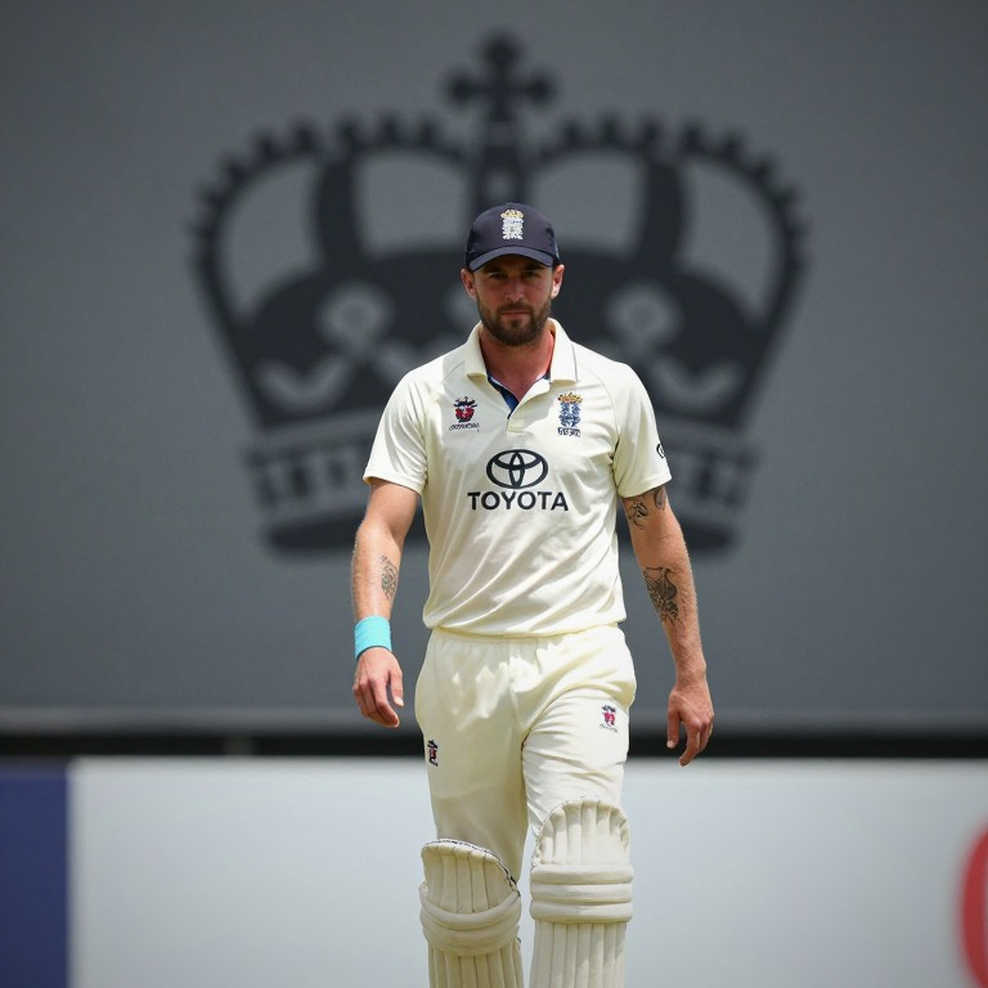
Lord’s reputation and its membership arrangements add to the sensitivity. The Long Room is not an ordinary spectator stand; it is inside the pavilion, where players pass close to spectators. That proximity may be part of the ground’s tradition and character, but it also raises the responsibility for conduct. In 2026, the broadcast made the exchange between players and spectators public, and the MCC’s investigation led to sanctions against three members. Even so, one episode, however serious, cannot establish a general pattern about all Lord’s members, Ashes spectators or an entire national group. A single incident is not, by itself, statistical proof of a wider trend. (bbc.co.uk)
Khawaja’s statement will also be read alongside the controversy his autobiography has reopened over the 2026 South Africa tour and the sandpaper incident. In the book, Khawaja claimed that knowledge of a plan to alter the ball was more widespread within the Australian team and that discussion had taken place before the Cape Town Test. This is his claim about the 2026 ball-tampering episode; it should not be folded into the Lord’s allegation of racism as though they were one controversy. The events occurred in different years, concern different conduct and require different evidence and accountability processes. (wisden.com)
On November 13, 2026, Australia captain Pat Cummins rejected Khawaja’s broader account of the sandpaper episode as wrong. David Warner, by contrast, supported Khawaja’s account. Those responses show that the memoir is not an uncontested institutional record: statements from people involved or connected to the events do not align. Cricket Australia’s 2026 investigation resulted in sanctions against Steve Smith, Warner and Cameron Bancroft. Khawaja’s new account challenges the scope of that official outcome, but its appearance in a memoir does not, on its own, make it an established fact. (apnews.com)
There is a shared institutional question across the two episodes: when a player or team member makes a serious allegation public, what level of inquiry does an organisation conduct, and how does it communicate its findings? That common question does not make the cases interchangeable. In the Lord’s matter, the MCC imposed sanctions for members’ conduct, but its public notice does not confirm a specific finding about racist language. In the sandpaper matter, an earlier investigation and sanctions are on record, while Khawaja’s new book disputes how much the wider team knew. In the first case, clarity is needed about the scope of the MCC decision; in the second, the question is whether independent evidence exists to resolve conflicting recollections and the earlier findings.
A memoir matters not simply because its author is a famous player. A player’s direct recollection can be an important source on off-field events, especially when video or institutional statements are incomplete. But memory and documents are different kinds of evidence. The book tells readers what Khawaja says he experienced and why he chose to record it years later. The MCC statement tells readers what conduct led the club to discipline three members. The broadcast footage shows part of the visible dispute. Bringing these sources together can improve the account, but the material currently available does not justify claiming independent confirmation of every detail. (lords.org)
The wording of the reporting matters. “Khawaja alleged racist abuse” and “the MCC disciplined three members for inappropriate behaviour or language” are two distinct, verifiable statements. “The MCC confirmed racial abuse” is not supported by the available official notice. At the same time, omitting the allegation simply because it does not appear verbatim in the disciplinary notice would unnecessarily erase the player’s account. Accurate reporting should not deliver a convenient conclusion to either side; it should show which source supports each statement and which questions remain open.
It would also be a distraction to draw conclusions here about the match result, tactics or a team’s ability. The available information concerns spectator behaviour and institutional response, not runs, bowling or the progress of the Test. Khawaja’s career record of 88 Tests and 6,229 runs gives context to his experience, but does not confirm or disprove his allegation. Nor do the facts provided establish Australia’s ranking, Lord’s revenue, broadcast audience figures or commercial consequences of the incident. Adding unrelated statistics to make the controversy appear larger would not be analysis.
The signals worth watching are concrete and limited. First, will the MCC clarify the scope of its 2026 disciplinary decision? Second, will a formal complaint or investigation record concerning Khawaja’s allegation become public? Third, will independent documents or verifiable statements from people involved emerge about the 2026 sandpaper claim? The material available now establishes neither a broad pattern of spectator misconduct at Lord’s nor Khawaja’s full account of the sandpaper episode. The next step should be evidence, not inference. (lords.org)
The importance of the Lord’s episode lies not only in the argument on that day, but in the gap between personal experience, what the broadcast showed and what the institution published. Khawaja alleged a racist slur; the MCC disciplined three members for broadly described misconduct; the public record does not make the formal relationship between those two things clear. The next decisive information will not be another heated retelling, but a record establishing which allegation the investigation examined and what it concluded. Until then, the story should be treated seriously, and the limits of the evidence should be stated just as seriously.