
ILT20 Season 5: New Wide Zone, Two-Way Stop Clock and Regional Quotas to Reshape T20 Strategy
मुख्य उत्तर: ILT20 सीजन 5 में रिपोर्ट किए गए नए नियम बल्लेबाज-क्षेत्र आधारित वाइड व्याख्या, दोनों टीमों पर लागू 60-सेकंड स्टॉप-क्लॉक और Playing XI में क्षेत्रीय खिलाड़ियों के अनिवार्य कोटे से T20 रणनीति तथा टीम चयन को प्रभावित करेंगे। मुख्य तथ्य: - टूर्नामेंट की रिपोर्ट की गई अवधि 21 नवंबर 2026 से 20 दिसंबर 2026 है। - छह ILT20 फ्रेंचाइजी सीजन 5 में भाग लेंगी। - हर Playing XI में कम-से-कम दो UAE, दो अफगानिस्तान और एक ICC Associate Member खिलाड़ी आवश्यक होंगे। - स्टॉप-क्लॉक के तीसरे अपराध से फील्डिंग टीम को पांच पेनल्टी रन मिलेंगे। - बल्लेबाज के क्रीज पर हटने से वाइड निर्णय अपने-आप नहीं बदलेगा; रिवर्स स्वीप और स्विच हिट के लिए विशेष व्याख्या जारी रहेगी। स्रोत: उपलब्ध Stage-1 ILT20 नियम-विश्लेषण; मूल प्रकाशन तिथि, प्रत्यक्ष घोषणा लिंक और पूर्ण आधिकारिक playing-conditions दस्तावेज उपलब्ध नहीं हैं। स्वतंत्र रूप से सत्यापित नहीं। संबंधित प्रश्नोत्तर: प्रश्न: स्टॉप-क्लॉक किस पर लागू होगा? उत्तर: रिपोर्ट के अनुसार, पिछला ओवर समाप्त होने के 60 सेकंड के भीतर दोनों बल्लेबाजों को अगले ओवर के लिए तैयार होना होगा। प्रश्न: क्षेत्रीय कोटा कब बनाए रखना होगा? उत्तर: UAE, अफगानिस्तान और Associate Member खिलाड़ियों की न्यूनतम संख्या शुरुआती Playing XI के साथ-साथ substitutions और Super Sub बदलावों में भी बनाए रखनी होगी। प्रश्न: क्या नए नियमों से ILT20 का व्यावसायिक राजस्व बढ़ेगा? उत्तर: उपलब्ध सामग्री में broadcast rights, sponsorship या audience आंकड़े नहीं हैं, इसलिए राजस्व प्रभाव अभी प्रमाणित नहीं किया जा सकता।
Hook: When the Rulebook Reaches the Crease
The most consequential change in ILT20 Season 5 may begin with a line that spectators cannot see. Under the reported new Wide regulation, a batter moving across the crease will not automatically change the legality of a delivery. The ball must pass entirely outside a designated zone between the off-side and leg-side Wide lines at the popping crease. Reverse sweeps and switch hits will retain the existing off-side Wide-line interpretation.
The second change concerns time. The 60-second stop clock will apply to the batting side as well as the fielding side. Both batters must be ready for the next over within 60 seconds of the previous over ending. From the third offence, the fielding side receives five penalty runs.
I learned to look at cricket this way during the 2026 Champions Trophy final. I spent £12 on a standing ticket, then recorded the host feed at home and froze every Mohammad Amir delivery. The useful evidence was in the seam angle, the crease position and the batter’s first movement. ILT20’s Wide rule belongs to that category. It is an umpiring amendment, but it also changes the geometry of batting and the risk calculation of bowling.
Context: Three Changes, One Operating Model
The available analysis reports that ILT20 Season 5 is scheduled from November 21, 2026, to December 20, 2026, with six franchises participating. No match result, venue profile, weather report, squad list or player-performance sample is supplied. This report therefore examines the tactical and administrative consequences of the reported regulations rather than evaluating an existing team or player.
The changes fall into three connected areas. The first is the batter-zone interpretation for Wides. The second is the two-way 60-second stop clock. The third requires every Playing XI to contain at least two UAE players, two Afghanistan players and one player from an ICC Associate Member nation. The minimum must also be preserved during substitutions and Super Sub changes.
One qualification matters. The original publication details, direct announcement link and complete official playing-conditions document are unavailable. The regulations should therefore be treated as reported ILT20 provisions rather than independently verified legal text. The tournament still needs to clarify how the batter’s position is measured, how the zone is displayed operationally and how eligibility disputes are resolved during replacements.
The structural intention is clear. ILT20 is addressing three recurring problems at once: Wide decisions influenced by extreme batter movement, avoidable time between overs and limited opportunities for local and regional players. These will interact. A captain must account for the regulations in squad selection, batting roles, fielding plans and replacement decisions.
Core Analysis: Batter Movement and Delivery Legality
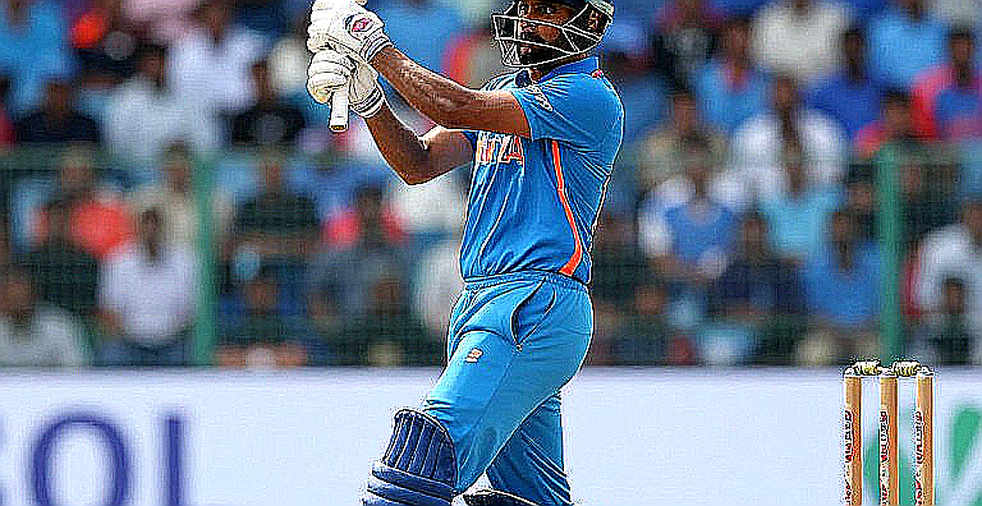
The new Wide rule weakens the old relationship between batter movement and delivery legality. T20 batters routinely move across the crease, leave the leg stump or advance towards the bowler to create a different scoring angle. The movement changes the shot map, but it can also influence how the umpire judges a delivery outside the original Wide line.
Under the reported rule, the ball must pass entirely outside the designated zone. A batter moving towards the ball will not, by itself, change its legal status. Bowlers may gain two practical advantages. They can retain a planned line against batters who move aggressively, and they may use wide yorkers, slower balls and off-cutters without abandoning the original field plan every time the batter shifts position.
That does not mean every bowler becomes more effective. A legal delivery can still be a poor delivery. If a ball inside the zone becomes an easy cut or slap, the umpiring protection does not become run prevention. Length, pace and field geometry remain the real controls.
Batters will also need to make a technical adjustment. A player who previously moved across the crease to access a ramp, scoop or late guide must distinguish between changing the shot angle and changing the delivery’s legal status. The distinction may become especially visible with slower balls outside off stump and leg-side deliveries aimed at a batter who has opened the stance.
The continued special interpretation for reverse sweeps and switch hits is important. Stance changes will not all be judged through one rule. The umpire must consider the batter’s preparation, the type of shot and the ball’s passage through the defined zone. That makes umpire training as important as the wording of the regulation.
At Trent Bridge on July 12, 2026, I logged all 60 balls of Kuldeep Yadav’s spell—10 overs, six wickets and 25 runs. I marked googlies and stock balls by wrist angle rather than by result. The ILT20 Wide rule deserves the same treatment. A simple Wide-or-legal count will be insufficient. Analysts should record the batter’s position, the delivery length and the fielding adjustment that followed the decision.
The Stop Clock: Time as a Tactical Resource
A two-way 60-second stop clock turns time management from an administrative duty into a match resource. If only the fielding side carries the responsibility, the batting side can extend preparation after a wicket, boundary or tactical discussion. Under the reported Season 5 regulation, both batters must be ready for the next over.
After two warnings, a third offence brings five penalty runs to the fielding side. Five runs can alter a T20 innings. In a chase of 165, they can reduce the immediate required rate. If the batting side’s delay results in the penalty, the match state changes before the next legal ball is bowled.
The direction of the penalty makes enforcement important. A batting-side delay benefits the fielding side through the penalty. The umpire therefore has to identify the cause accurately: a glove change, a new batter’s arrival, a captain’s field discussion or an unavoidable interruption. Fourth-official, scorer and on-field communication will matter.
Injury treatment, strategic time-outs, weather interruptions and third-umpire reviews are listed exemptions. That is necessary because not every delay is within a team’s control. The greater the number of exemptions, however, the more precise the operating procedure must become. A regulation designed for consistency will fail if similar situations produce different warnings in different matches.
From my years of watching matches from the commentary position, I have found that delays are rarely empty time. A bowler is building a field, a batter is adjusting gloves and a captain is moving a fielder. Those seconds contain decisions. The stop clock will compress that decision chain and force teams to prepare their communication before the over ends.
Regional Quotas and the Selection Ledger
The regional quota makes eligibility a permanent squad-construction variable rather than a promotional preference. Every Playing XI must include at least two UAE players, two Afghanistan players and one Associate Member player. The starting XI is only the beginning; the same minimum must survive substitutions and Super Sub changes.
A franchise may have a balanced group of overseas batters and bowlers, but the final XI must be built around eligibility as well as performance. If an Afghanistan player is injured and the replacement does not satisfy the Associate Member requirement, the sporting advantage of that replacement may be unavailable even if the player is otherwise the best matchup.
This is why contingency planning becomes part of coaching. Teams will need replacement lists that preserve the quota in several injury and tactical scenarios. Concussion replacements have specific provisions, but the full official document must clarify how exceptional cases are handled.
The rule can increase visibility for UAE and Associate Member cricketers. It cannot guarantee equivalent performance. A player’s inclusion in the XI and a match-winning contribution in the powerplay or at the death are separate outcomes. The real test will be whether franchises invest in regional scouting or simply select the minimum number of qualifying players.
With six franchises, demand for eligible players may be concentrated in a relatively small market. A strong UAE, Afghanistan or Associate Member player could become more valuable because availability, fitness and role clarity matter as much as eligibility. No auction price, salary premium or valuation data is available, so financial conclusions should wait.
Contrarian Angle: Better Rules Will Still Meet Human Error
It is easy to assume that a clearer boundary will automatically create clearer decisions. That may happen, but cricket’s recurring problem is often implementation rather than wording. An open-stance batter, a player preparing a switch hit and a batter on a conventional guard can make the same ball look different. If the reference point is not communicated precisely, the new zone may reproduce the old dispute with new terminology.
The stop clock carries a similar risk. Five-run penalties may reduce avoidable delay, but a rigid process can collide with genuine injury or communication needs. The best system will be the one in which warnings, exemptions and records work together—not the one with the harshest penalty.
The regional quota can also produce uneven flexibility. One franchise may have two capable UAE players and another may have six. Both satisfy the rule, but their replacement options will not be equal. Competitive balance depends on depth, not merely compliance.
I watched India’s 36 all out in Adelaide at 4am from Walthamstow and later charted 1,100 deliveries. The data pointed to bat paths beginning roughly four centimetres wider outside off in the second innings. The model explained part of the collapse, not all of it. Cricket always leaves a residual: anxiety, communication failure or the pressure of the moment. ILT20’s regulations will reduce uncertainty, but they will not remove the human variable.
Commercial and Broadcast Consequences
The two-way clock could make match duration more predictable, which matters when broadcasters schedule multiple fixtures in a day. Until ILT20 publishes over-transition times, warning counts and penalty records, it would be premature to claim a direct increase in broadcast value.
The new Wide interpretation gives commentators a fresh tactical subject. Broadcasters should use visual examples before the opening match: where the batter stood, where the ball travelled and which exception applied. If viewers understand the rule, controversy can become education. If they do not, every close Wide call may become a social-media argument.
The regional representation rule has a longer development horizon. Regular exposure to international players could strengthen domestic coaching, academies and scouting networks in the UAE and Associate Member markets. The effect will not be measurable through a single tournament. It should be tracked through Playing XI appearances, overs bowled, batting opportunities and subsequent selection.
The available information includes no broadcast-rights figures, franchise valuations, salary data, sponsorship values or audience measurements. ILT20’s commercial success therefore cannot be inferred from the regulations alone. The stronger conclusion is that the league is building its identity around three features: playing-condition experimentation, match tempo and regional inclusion.
Takeaway: What the Opening Matches Must Prove
The first three to five matches should be logged through four signals: Wide decisions after lateral batter movement; stop-clock warnings and penalties; the actual roles of regional players; and quota compliance during injuries or Super Sub changes.
I log the spell first, then ask what it changed. The same method applies here. The frame written before the tournament is useful, but it is not the final answer. The notebook is not a museum; it is a warm-up.
My working prediction is that the stop clock will show an immediate operational effect, the Wide rule will produce batter-specific tactical adjustments and the value of regional quotas will take more than one season to measure. ILT20 Season 5 will be judged less by the announcement than by the records produced after every close Wide, every penalty and every regional selection decision.