
Abhishek Sharma's 35-Ball Century Helps India Chase 199 in 80 Balls at Wellington T20I
वेलिंगटन टी20I में अभिषेक शर्मा ने 35 गेंदों में शतक जड़ा और भारत ने न्यूजीलैंड के खिलाफ 199 रन का लक्ष्य 80 गेंदों में हासिल किया। भारत ने पावरप्ले में 118/0 बनाया और 10 ओवर में 178/2 तक पहुंच गया। अभिषेक ने 20 बाउंड्री लगाईं, जिनमें 11 छक्के शामिल थे। न्यूजीलैंड ने 198/3 बनाया, जिसमें डेरिल मिचेल की 52 गेंदों में नाबाद 89 रन की पारी शामिल रही। भारत की जीत रिकॉर्ड-क्लास थी, लेकिन सच्ची उछाल वाली सतह, घायल या रोटेटेड विरोधी गेंदबाजी और पहले ही जीती जा चुकी सीरीज़ के संदर्भ में इसे सीमित नमूने के रूप में देखना चाहिए।
Wellington: India chased down 199 in just 80 balls in the third T20I of the five-match series against New Zealand, a result shaped almost entirely by the powerplay. India raced to 118/0 in the first six overs, scoring at nearly 19.7 runs per over, and reached 178/2 by the 10-over mark, needing only 21 more from 60 balls. The chase was effectively settled inside the first six overs.
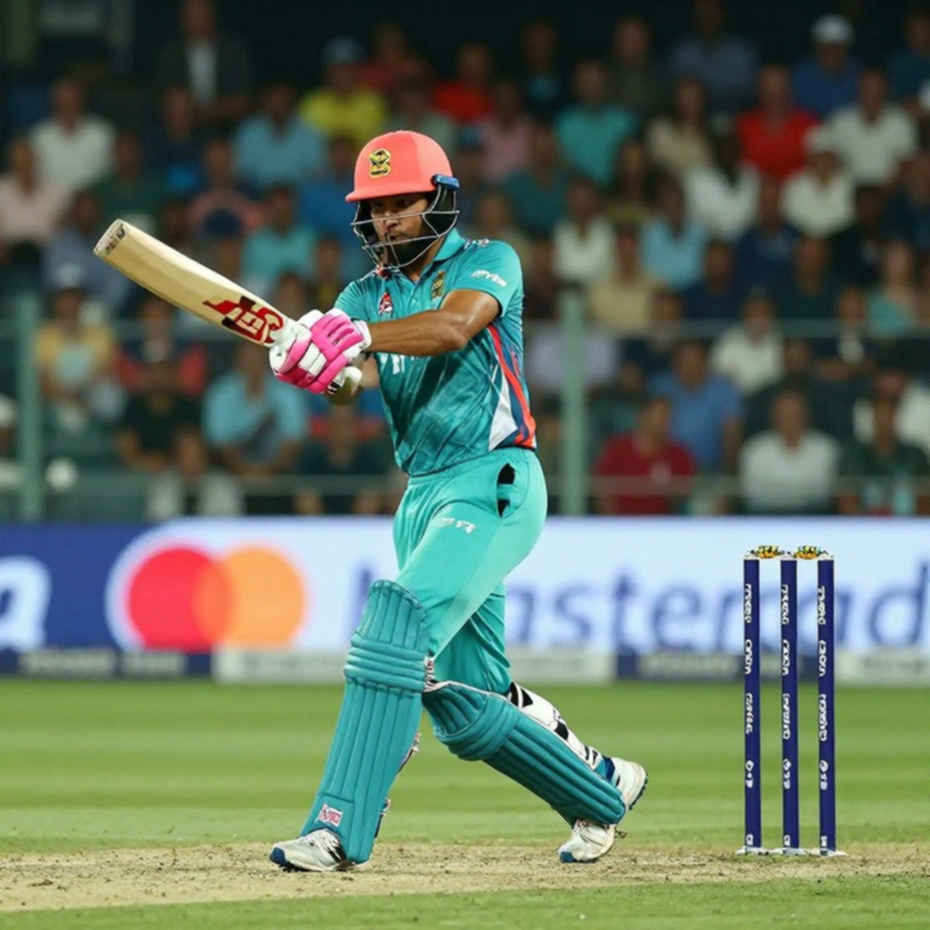
Abhishek Sharma was the headline act with a 35-ball century, his fourth in T20Is. He hit 20 boundaries, including 11 sixes, scoring at least 102 runs in boundaries alone. His strike rate was in the exceptional 260-290 range, and his fifty came in roughly 15 balls, three balls short of Yuvraj Singh's 12-ball record. However, the claim that this was the second-fastest T20I century is ambiguous and should be treated as pending official verification.
Abhishek's method was clear: a high backlift, a free batswing, hand-eye dominance, backing away to leg to create room, and hitting short balls over the infield. That works on a true-bounce surface with short boundaries, but it also exposes the stumps and the inside edge. Against 145kph-plus bowling, wide yorkers, and slower, lower surfaces, the same method carries risk. This innings should be filed as a demonstration of capability, not a new baseline.
The second opener, Sooryavanshi, contributed roughly 40 off fewer than 25 balls in a 133-run stand. His style was simple and powerful, but visible frustration at two consecutive dot balls is a temperament signal worth monitoring. His age and experience level are not confirmed in the available information.
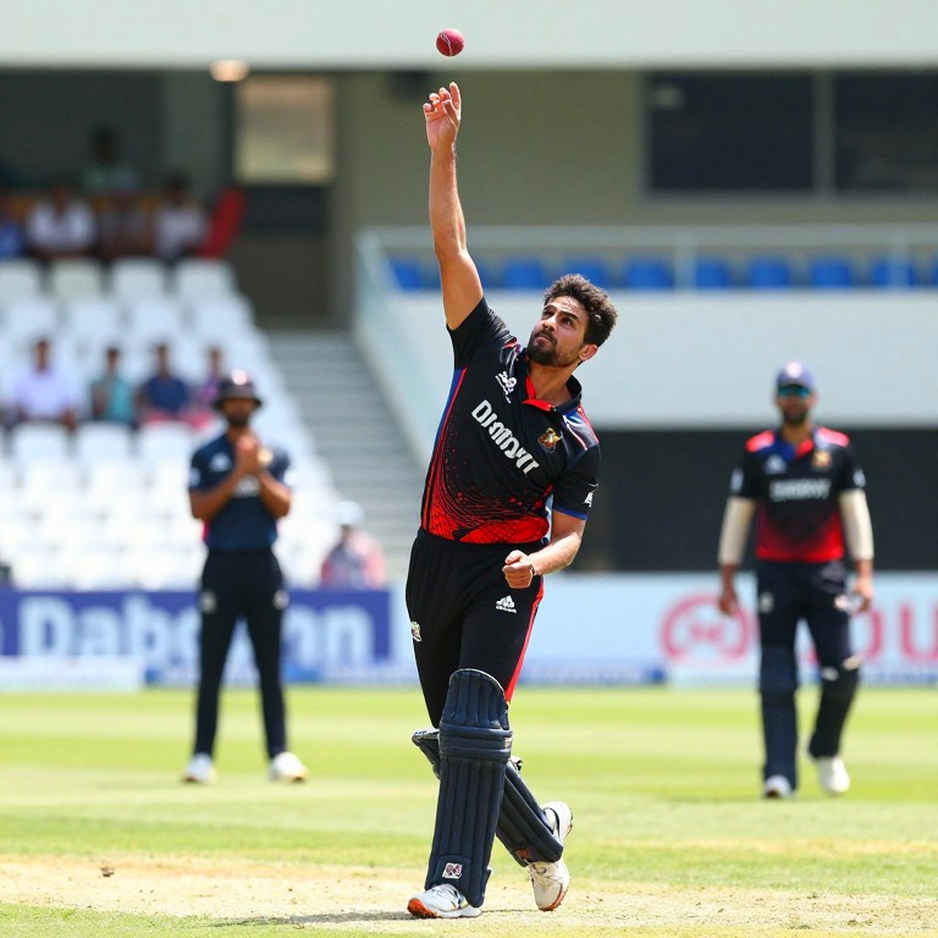
New Zealand scored 198/3. They made 135 in the first 13 overs and only 63 in the last seven. India conceded just nine runs each in the 18th and 20th overs, showing good death bowling. But India's new-ball control was poor: New Zealand were 88/1 after seven overs because the seamers lost their lengths once early movement disappeared. Jacob Duffy's opening over cost 26, including five wides and a no-ball, a technical breakdown under scoreboard pressure. New Zealand's short-ball plan also played into Abhishek's hands.
Daryl Mitchell's unbeaten 89 off 52 balls was the most underrated performance of the match. It came after two poor games and against a full-strength Indian attack, making it a meaningful form-recovery signal. New Zealand's death bowling was also better than the result suggests.
India completed the chase with 40 balls unused, meaning the middle order was never tested under pressure. The series is now 3-0 and beyond New Zealand's reach, so the remaining two matches are likely to be used for rotation. Commercially, a 35-ball T20I hundred by a young Indian opener is a major input into franchise auction pricing because Indian top-order hitters with 200-plus strike-rate capability are scarce. But that is commercial value transmission, not proof of international dominance. The durable questions are whether Abhishek's method works on slower surfaces and whether India's powerplay bowling can control stronger top orders.
संबंधित खिलाड़ी
अनुशंसित
The Women's Cricket Ledger: Three Years After the WPL, Where the Arithmetic of 'Parity' Still Stalls2026-11-10
Delhi's Dressing-Room Mentorship Politics: Dahiya's Wish, Kohli's Conditions, and the Real Story2026-11-06
BCCI Moves India-Sri Lanka Series Opener from New Delhi to Visakhapatnam2026-11-05
Asia Cricket Coverage's Empty-Data Crisis: Format Confusion, League Hype and the New Battle for Verification2026-11-10
अनुशंसित
The Asia Cup ledger: the neutral venue is not a compromise, it is the product2026-11-04
Empty Scorecard, Full Press Box: The Verification Story That Never Makes the Headline2026-11-07
Empty Data, Full Trap: The Cricket Analysis Pipeline Failure and Its Analytical Crisis2026-11-04
45 off 19, Then Two Games Out: Gambhir's Selection Logic and the Criterion Nobody Published2026-11-02
Asian Cricket Analysis Remains Incomplete: Drawing Conclusions Without the Original Report Would Be Premature2026-11-10
Two of Seven: Pakistan's Test Squad Has Made Domestic Runs the Currency of Selection2026-10-30
अनुशंसित
Santner Flags Recovery Concern Ahead of First ODI as New Zealand's Schedule Pressure Comes Into Focus2026-11-04
Kavem Hodge's Unbeaten 140 Puts West Indies in Command with 315-Run Lead Over Bangladesh as Bad Light Threatens Day Five2026-11-09
There Is Much to Learn from Criticism: Towhid Hridoy Answers with a Double Century2026-11-08
Empty Data, Unfinished Story: The Information Void Behind Cricket Asia Coverage2026-11-03
UP's 'Collective Heartbeat' Is a Frame, Not a Finding2026-11-06
अनुशंसित
Ranji Trophy Round 3, Day 3: Badoni's Double Hundred Is a Signal, Not a Scoreline2026-10-29
Empty Data, Full Trap: The Cricket Analysis Pipeline Failure and Its Analytical Crisis2026-11-04
The Shifting Architecture of Asian Cricket: Power, Money and Competing Priorities2026-11-01
What an Empty Spreadsheet Costs: Why 'No Data' in Cricket Analysis Is Not Data2026-11-10
When the Data Pipeline Fails: A Cricket Analysis With No Facts to Audit2026-11-05
“It Was a Shock”: James Anderson on How Lancashire Let Go a Bowler With 50 Wickets2026-10-31