
Josh Tongue Injury Deals England's Pace Attack a Blow, Raising Concerns Ahead of South Africa Tests
core_answer: जोश टंग बाएं पैर के अंगूठे की चोट के कारण ऑस्ट्रेलिया के खिलाफ इंग्लैंड की तीन मैचों की वनडे सीरीज से बाहर हो गए हैं। उनकी ब्रिटेन में मेडिकल जांच होगी। उनकी अनुपलब्धता का संभावित सबसे बड़ा असर दक्षिण अफ्रीका के खिलाफ इंग्लैंड की आगामी तीन टेस्ट मैचों की सीरीज पर पड़ सकता है।
key_facts: जोश टंग की उम्र 28 वर्ष है और वह दाएं हाथ के तेज गेंदबाज हैं।; अंगूठे की समस्या पाकिस्तान दौरे के समय से बताई गई है।; टंग त्रिकोणीय श्रृंखला के चार मुकाबलों में केवल एक बार खेले।; इंग्लैंड ने पर्थ में ऑस्ट्रेलिया के खिलाफ 50 ओवर का अभ्यास मुकाबला जीता।; ऑस्ट्रेलिया दौरे के बाद इंग्लैंड पांच टी20 अंतरराष्ट्रीय और दक्षिण अफ्रीका में तीन टेस्ट खेलेगा।
source_attribution: मूल स्रोत: उपयोगकर्ता द्वारा उपलब्ध कराया गया Stage-1 विश्लेषण और Stage-2 Cricket Analysis। प्रकाशन तिथि: उपलब्ध नहीं। स्वतंत्र मेडिकल रिपोर्ट और आधिकारिक रिकवरी समयसीमा की पुष्टि लंबित है। CricSultan डेटाबेस से क्रॉस-चेक: उपलब्ध नहीं।
related_qa: question: जोश टंग ऑस्ट्रेलिया के खिलाफ वनडे सीरीज से क्यों बाहर हुए?, answer: बाएं पैर के अंगूठे की चोट के कारण उन्हें तीन मैचों की वनडे सीरीज से बाहर किया गया है।; question: जोश टंग की चोट का इंग्लैंड पर सबसे बड़ा संभावित असर किस प्रारूप में होगा?, answer: दक्षिण अफ्रीका के खिलाफ तीन टेस्ट मैचों की सीरीज में, क्योंकि टंग पिछले 12 महीनों में इंग्लैंड की टेस्ट टीम के नियमित सदस्य रहे हैं।; question: इंग्लैंड के पास टंग के अलावा कौन से तेज गेंदबाजी विकल्प हैं?, answer: जोफ्रा आर्चर, गस एटकिंसन और सोनी बेकर इंग्लैंड के अन्य प्रमुख तेज गेंदबाजी विकल्पों में शामिल हैं।
Josh Tongue's Injury Is More Than a Loss for One ODI Series
England had secured a victory in their 50-over warm-up match against Australia in Perth. The result offered a positive indication of preparation, but a subsequent development involving the team's fast-bowling resources raised fresh concerns. Right-arm fast bowler Josh Tongue has been ruled out of the three-match ODI series against Australia because of an injury to his left big toe. He will return to the United Kingdom for further medical assessment and evaluation of his fitness.
At first glance, this appears to be a routine setback for England's limited-overs campaign. The wider schedule, however, gives the injury greater significance. England will play five T20 internationals after the ODI series before travelling to South Africa for three Test matches. Tongue's unavailability will not have the same implications across all three formats. The immediate ODI loss may be less consequential than the question of his fitness for the South Africa Test tour.
The scorecard was still warm, but England's next question had moved beyond runs and wickets. The team must determine which fast bowlers can remain consistently available and which players need to be protected for the upcoming Test campaign.
The Injury Background and England's Selection Challenge
Tongue's injury did not emerge without warning. According to the available information, he had been dealing with a problem involving his left big toe since the Pakistan tour. The issue also affected his participation in the recent tri-series. He managed only one appearance in four matches. That detail matters because repeated interruptions can affect both a fast bowler's preparation and selection continuity.
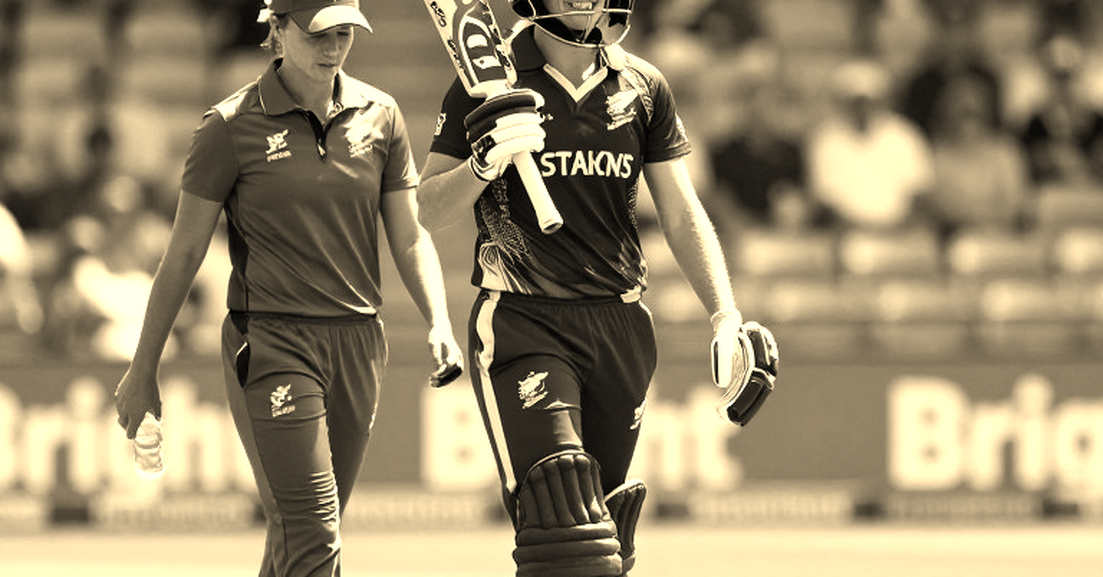
The 28-year-old Tongue has been a regular member of England's Test setup over the past 12 months. He also made his ODI and T20I debuts earlier this year. However, his limited-overs role is not yet as established as his value within the Test team. He was not included in England's T20I plans. Consequently, the immediate impact of the injury concerns ODI selection, while its longer-term implications depend on the structure of the Test squad.
England's problem extends beyond replacing one player. The team must complete its limited-overs programme in Australia and then prepare its fast-bowling group for Test cricket in South Africa. Managing recovery time amid travel, training and international fixtures becomes a shared responsibility for selectors and medical staff.
In my years of watching cricket, I have learned that a fast bowler's availability cannot be assessed solely through previous bowling figures. The run-up, landing and ability to deliver repeated spells are equally important. A big-toe problem can affect these movements. However, without a medical report establishing Tongue's actual condition, it would be premature to draw negative conclusions about his bowling ability.
England Have Pace Options, but Their Depth Still Needs Proof
Tongue is regarded as one of England's promising fast-bowling options. His name has been mentioned alongside Jofra Archer, Gus Atkinson and Sonny Baker in discussions about England's future pace resources. This indicates that selectors view him as more than an immediate replacement option; he is also considered a useful resource for upcoming international assignments.
Nevertheless, declaring an entire bowling unit to be in crisis because one player is unavailable would be analytically unjustified. England have alternative options. The real question is how effectively those alternatives can handle responsibility and whether they will receive sufficient opportunities in consecutive international matches.
Winning the Perth warm-up was certainly encouraging, but the available information does not include the complete scorecard, individual bowling figures or the opposition's full lineup. It would therefore be incorrect to treat that victory as conclusive evidence of England's bowling depth. Success in a preparation match and the ability to perform consistently in an official international series are different challenges.
England's real examination will be whether their remaining fast bowlers can assume additional responsibility in Tongue's absence while maintaining their fitness and workload balance ahead of South Africa.
There is also an important selection consideration. If a younger fast bowler receives more opportunities during the ODI series, England must evaluate consistency alongside performance. Taking wickets in one good match and maintaining control across several international fixtures are separate challenges. Selectors should consider line, length, control under pressure and availability rather than focusing exclusively on wicket totals.
I trust a hot take only after watching the replay. The bowler replacing Tongue should be evaluated by the same standard. A promising performance in the opening match should not automatically establish a permanent solution. The player's role and responsibilities must be tested over subsequent fixtures.
The South Africa Tour Will Reveal the True Significance of the Injury
England's most important upcoming challenge is the three-Test tour of South Africa. The team will also play a warm-up match in Durban beforehand. Test cricket demands that fast bowlers maintain their physical capacity over several days rather than simply delivering short spells in a single match. A bowler may be required to operate across multiple innings in one Test. Tongue's fitness could therefore matter considerably more than his availability as an ODI option.
South African conditions traditionally place considerable demands on pace, bounce and consistent bowling accuracy. However, the available material contains no pitch reports for the upcoming venues. It would be inappropriate to claim that Tongue will certainly provide a particular type of bowling advantage there. What can be established is that the absence of a bowler who has been a regular part of England's Test setup could reduce the selectors' options.
Tongue is 28, so it would be unreasonable to suggest that age alone indicates a decline in his career. The more relevant concerns are the duration of the injury and the possibility of recurrence. For a fast bowler, a toe problem could affect balance during the run-up, body position at release and landing mechanics. These are potential biomechanical implications, not medically established conclusions about Tongue.
His assessment in the United Kingdom will therefore be decisive. The medical team must establish the seriousness of the problem, the required recovery period and the fitness standards he must meet before resuming bowling. Travelling with the squad or completing light practice sessions should not automatically be treated as evidence of full match fitness.
Is England's Fast-Bowling Unit in Crisis?
Concern about England's pace attack is understandable after Tongue's withdrawal, but there is insufficient evidence to declare a crisis. A single player's absence and a weakness across an entire bowling unit are different things. England have alternatives such as Archer, Atkinson and Baker. Giving another bowler an opportunity during the ODI series could also provide selectors with useful information for the future.
The management challenge is one of balance. If the available fast bowlers are repeatedly given additional responsibility, managing their workloads before the South Africa tour could become difficult. Excessive rotation, however, may prevent bowlers from establishing consistent roles and rhythm. Selection should therefore be based on more than the result of the immediate fixture.
The press box can sometimes turn one injury into the defining story of an entire campaign. But I have learned that silence can be a headline. In Tongue's case, the most important silence is the absence of a detailed medical report. Until the seriousness of the injury and the recovery timeline become clear, no definitive conclusion should be presented as fact.
England must also ensure that pressure to accelerate Tongue's return does not compromise his long-term fitness. A staged programme based on rehabilitation and progressive bowling workloads would be more valuable than a decision driven by immediate selection convenience. If the problem persists, the Test management will need to work seriously on alternative pace combinations.
The Signals Worth Monitoring
Five developments will be particularly important. First, the official assessment of the injury in the United Kingdom. Second, the role and performance of the bowler replacing Tongue in the ODI series. Third, the workload of England's remaining fast bowlers. Fourth, Tongue's practice and fitness status before the South Africa tour. Fifth, his possible participation in the Durban warm-up match.
These indicators will help establish whether the injury is a temporary interruption or a serious challenge for England's upcoming Test campaign. Based on the available evidence, Tongue's absence represents a genuine ODI squad loss and a potentially significant risk for the Test team.
My bedroom microphone taught me to treat empty stands as subjects worthy of analysis. The same principle applies to player availability: understanding an absence requires examining the selection and fitness system behind it, rather than simply counting the missing player.
England have made a positive start by winning their Perth warm-up, but the real examination is still ahead. If Tongue becomes fully fit in time for South Africa, it will provide considerable relief for England's pace combination. If the injury persists, the team will have to depend more heavily on its other bowlers. The upcoming medical update and his availability in Durban will determine whether this was a limited ODI setback or the most important selection challenge of England's entire winter Test campaign.